Dr. Pramod Kumar Pandey — Pharmaceutical Trainer, Founder of PharmaGuru, Blogger & Analytical Expert with 31+ years of experience in leading global and Indian pharmaceutical companies.
Control Samples Or Retention Samples or Reference Samples are reference materials with known properties used to verify the reliability of tests, serving as benchmarks to ensure consistent, acceptable results.
Control Samples Or Retention Samples or Reference Samples in Pharmaceuticals: Learn With 5+ FAQs
Control Samples Or Retention Samples or Reference Samples are reference materials with known properties used to verify the reliability of tests, serving as benchmarks to ensure consistent, acceptable results.
Control Samples Or Retention Samples or Reference Samples in Pharmaceuticals
Control Samples or Retention Samples or Reference Samples are representative samples of a finished product, intermediate, or active pharmaceutical ingredient (API) that are retained after a batch is released for distribution. These samples are stored under appropriate conditions for a defined period and serve as a reference for future investigations, quality testing, or regulatory audits.
They allow manufacturers to:
Verify product identity and quality post-release
Investigate customer complaints or product defects
Provide evidence during inspections or legal disputes
Types of Control Samples
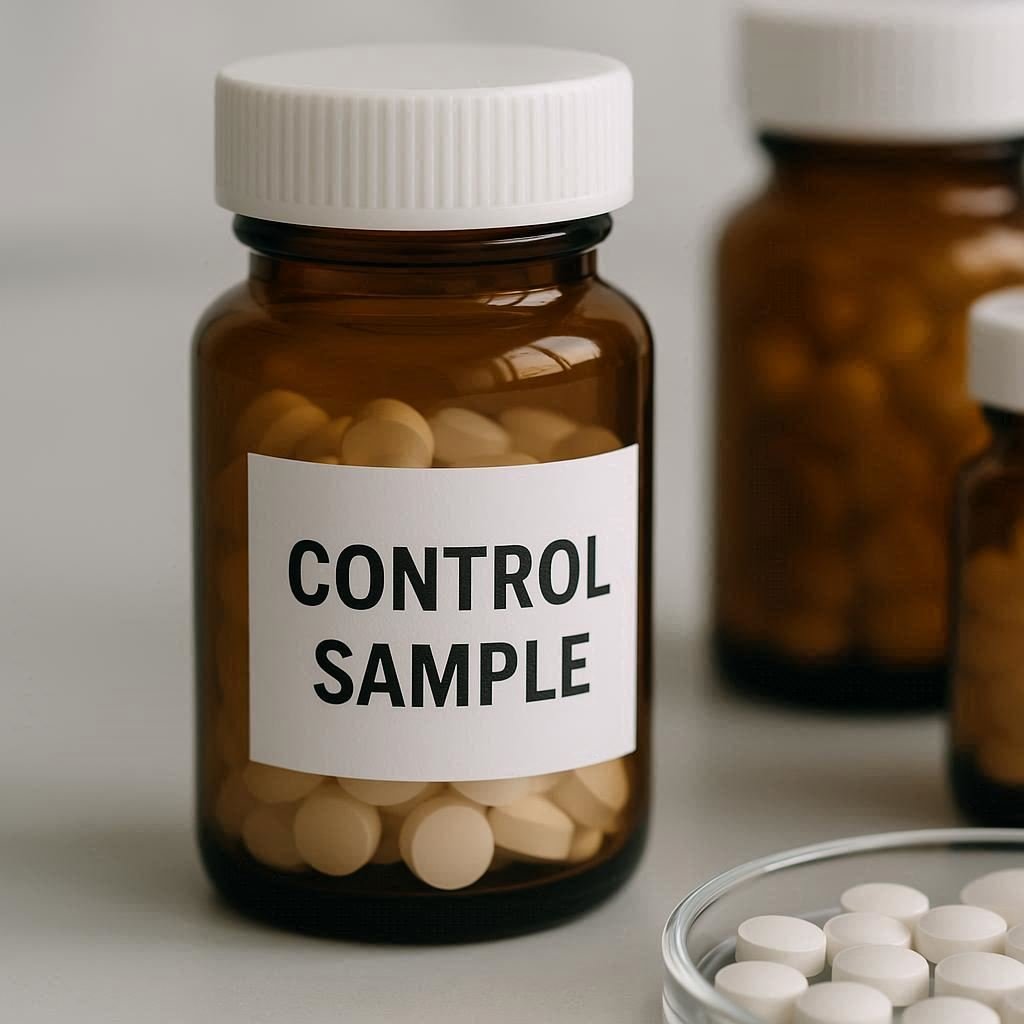
Control Samples (source: Bing)
Control samples can be classified based on the stage of production they are collected from:
1. Finished Product Samples
These are samples of the final product in its marketed packaging. They represent the batch as it was released to the market.
These are representative samples of the active ingredients used in manufacturing the drug product.
Purpose:
To investigate any API-related issues
Confirm supplier quality
4. Packaging Material Samples
Sometimes, critical packaging components (like printed cartons or labels) are also retained.
Purpose:
Investigation of labelling or packaging-related complaints
Cross-verification during recalls
Management Guidelines for Control Samples
Proper management of control samples is crucial to meet regulatory requirements (e.g., FDA, EMA, WHO, or GMP standards). Here are the key practices:
1. Sample Collection
Samples must be taken from a representative portion of the batch.
The quantity should be sufficient to carry out complete testing, if required.
2. Labelling and Documentation
Each sample must be clearly labelled with batch number, date of manufacture, expiry date, storage conditions, and any relevant identifiers.
All actions must be documented in a controlled log.
3. Storage Conditions
Samples must be stored under recommended conditions (e.g., temperature and humidity) identical to those of the marketed product.
Access to the storage area should be restricted and monitored.
4. Retention Period
Typically, samples should be retained for one year after the expiry date of the product, or as per country-specific regulations.
5. Periodic Review and Disposal
Conduct periodic checks to ensure integrity.
After the retention period, samples should be disposed of following SOPs and regulatory guidelines.
Regulatory References
Different regulatory bodies have their own requirements regarding control samples:
US FDA 21 CFR Part 211.170
EU GMP Guidelines, Annex 19
WHO Technical Report Series
ICH Q7 and Q10 guidelines
Manufacturers must ensure compliance with local and international regulations, especially when producing for global markets.
Conclusion
Control samples are much more than just backups—they are a core part of pharmaceutical quality systems. By maintaining them properly, manufacturers protect themselves against potential risks while ensuring that patients receive safe and effective medicines.
As regulations continue to evolve, the importance of a robust control sample management system cannot be overstated.
Control samples are reference materials with known properties used to verify the accuracy and reliability of tests, serving as benchmarks to ensure consistent, acceptable results
What is an example of a control sample?
May be finished product, intermediate, or active pharmaceutical ingredient (API)
What is the use of a control sample?
A control sample is used to verify the accuracy, consistency, and reliability of test results by serving as a benchmark for comparison.