Dr. Pramod Kumar Pandey — Pharmaceutical Trainer, Founder of PharmaGuru, Blogger & Analytical Expert with 31+ years of experience in leading global and Indian pharmaceutical companies.
Here you will learn pH Meter, definition, principle, types, pH scale, how to choose the right pH meter, how to maintain and calibrate a pH Meter with FAQs
pH Meter: The Backbone of Drug Development
pH meter is is required at every stage during drug development, the backbone of drug development. Whether it is raw materials, reaction mixture, intermediates, , active pharmaceutical ingredients (APIs),or pharmaceutical formulations ; every stage pH meter is required.
1. How pH Meter is the Backbone of Drug Development
The pH meter plays a vital role in pharmaceutical research and development. It ensures the stability, safety, and efficacy of drug products by maintaining the ideal pH throughout various stages—formulation, production, and quality control.
pH affects drug solubility, absorption, bioavailability, and shelf life.
Many active pharmaceutical ingredients (APIs) and excipients are sensitive to pH changes.
Accurate pH measurement helps maintain regulatory compliance with standards set by FDA, ICH, and GMP.
That is why pH meter is the backbone of drug development.
2. What is a pH Meter?
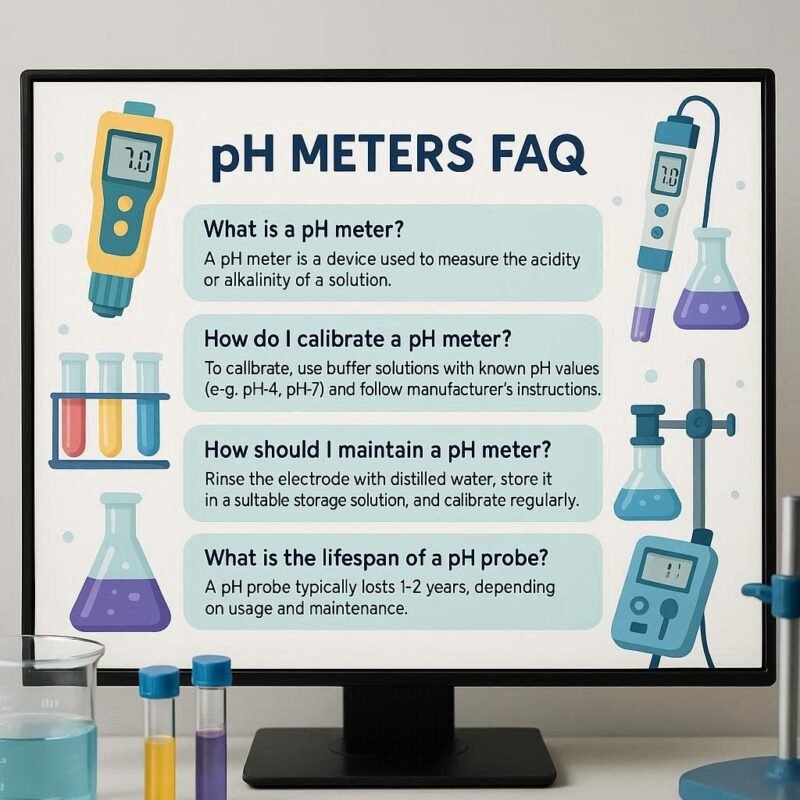
A pH meter is an analytical instrument used to measure the acidity or alkalinity of a solution. It displays the hydrogen ion concentration as a numerical value (pH) on a digital screen.
3. What is pH?
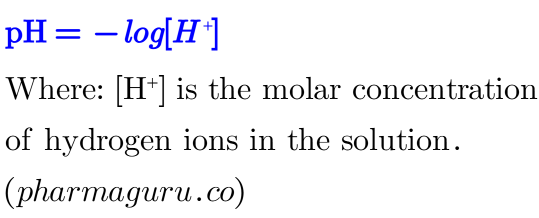
The pH is a measure of hydrogen ion concentration in a solution. It expresses how acidic or basic a solution is, on a scale from 0 to 14:
pH < 7 → Acidic
pH = 7 → Neutral
pH > 7 → Alkaline
pH Meter: The Backbone of Drug Development 3
4. What is the Principle of Operation of the pH Meter?
The pH meter works on the electromotive force (EMF) principle. It measures the potential difference between a glass electrode (sensitive to hydrogen ions) and a reference electrode (stable potential). The potential difference is converted to a pH value using the Nernst equation.
5. What are the different components of a pH Meter?
Measuring (Glass) Electrode – detects hydrogen ion activity.
Reference Electrode – provides a constant reference voltage.
Temperature Sensor – compensates for temperature variation.
Amplifier and Processor – converts voltage to readable pH.
Display Unit – shows the final pH value.
6. What are the different types of pH Meters?
Benchtop pH Meters – used in laboratories.
Portable pH Meters – for field testing.
Pen-type pH Meters – small and convenient for quick testing.
Process pH Meters – used in manufacturing and industrial lines.
Multifunction Meters – measure pH, conductivity, and dissolved oxygen.
7. How Does a pH Meter Work?
When the electrode is dipped into a solution:
Hydrogen ions interact with the glass membrane.
This generates a potential difference compared to the reference electrode.
The meter’s circuit converts this voltage to a pH value, displayed on screen.
8. What is the pH Scale?
The pH scale ranges from 0 to 14:
pH Value
Nature
Example
0–3
Strong Acid
Hydrochloric acid
4–6
Weak Acid
Vinegar
7
Neutral
Pure Water
8–10
Weak Base
Baking Soda
11–14
Strong Base
Sodium Hydroxide
9. How to Choose the Right pH Meter?
Consider:
Accuracy and range required
Sample type (aqueous, viscous, organic, etc.)
Electrode compatibility
Calibration and temperature compensation
Regulatory compliance (GMP/GLP)
10. Who are the main manufacturers of pH Meters?
Some well-known brands include:
Mettler-Toledo
Hanna Instruments
Thermo Fisher Scientific
Eutech Instruments
Horiba
Orion
11. What is the cost of a pH Meter?
Approximate price range :
Pen-type: $30–$100
Portable: $100–$500
Benchtop Laboratory Meters: $500–$3000
Industrial/Process Systems: $3000 and above
12. How to Take pH Measurement?
Calibrate the meter.
Rinse electrode with distilled water.
Immerse electrode in sample solution.
Stir gently and wait for reading to stabilize.
Record pH value and rinse electrode again.
13. How to Maintain and Calibrate a pH Meter?
Daily calibration with standard buffers (pH 4.0, 7.0, 10.0).
Clean the electrode with distilled water or specific cleaning solutions.
Store electrode in pH 4 buffer or KCl solution (never dry).
Regularly inspect cables and connectors.
14. What are the uses of pH Meter?
Pharmaceutical formulation and quality control
Water analysis
Food and beverage testing
Environmental monitoring
Chemical and biological research
15. What is the Full Form of pH?
“pH” stands for “potential of Hydrogen”.
16. How to Use a pH Meter in a Laboratory?
Power on and calibrate with buffer solutions.
Rinse the electrode between samples.
Immerse in the sample and wait for stability.
Record pH and temperature.
Clean and store the electrode properly after use.
17. Applications of pH Meters in Laboratories
Analysing buffer systems
Monitoring fermentation and enzyme activity
Testing reagents and solvents
Verifying water quality
18. Applications of pH Meters Across Pharmaceutical Stages
API Synthesis: Ensuring optimal reaction conditions.
Formulation: Adjusting pH for solubility and stability.
Quality Control: pH specification testing per pharmacopeia.
Microbiological Media Preparation: Maintaining sterile conditions.
19. What are the benefits of the pH Meter?
High accuracy and repeatability
Ensures regulatory compliance
Saves time in quality testing
Improves product consistency and safety
20. What are the limitations of pH Meter?
Requires frequent calibration
Electrodes are fragile and expensive
Interference from high ionic or viscous samples
Sensitive to temperature and contamination
21. What are the recommended cleaning and storage solutions for a pH meter?
Cleaning Solutions: Dilute HCl, pepsin, or detergent-based for protein or oil buildup.
Storage Solution: 3M KCl or manufacturer-recommended buffer (usually pH 4).
Laboratory Practice Fit: Store vertically, never dry; rinse with deionized water before and after use.
22. What is the Difference Between a pH Electrode and a Reference Electrode?
Feature
pH Electrode
Reference Electrode
Function
Measures hydrogen ion activity
Provides constant potential
Composition
Glass membrane
Silver/silver chloride or calomel
Response
Variable (depends on pH)
Stable
23. What is Importance of pH Meter in Pharmaceutical Industry?
Ensures drug safety, purity, and stability
Confirms batch-to-batch consistency
Required for regulatory documentation (GMP, ICH Q6A)
Used in biotech, formulation, and raw material testing
24. What is the Role of pH Meter in Pharmaceutical Quality Control?
In quality control labs, pH meters verify that:
Formulations meet specification limits
Water used in manufacturing is within the acceptable pH range
Cleaning validation confirms no acidic or basic residue remains
25. What is the role of pH Meter in Drug Formulation?
Helps adjust drug solubility and ionisation
Maintains the chemical stability of APIs
Ensures patient safety and bioavailability
Supports buffer system optimisation in liquid and semisolid formulations
26 What is the pH Meter Calibration Procedure and Acceptance Criteria?
Follow the operational SOP for the operation of the instrument
Select the calibration mode
Select the Linear regression interpolation method from the calibration mode
Enter first value as 1.68 and enter
Dip the electrode and the temperature probe in pH 1.68 solution
Wait to stabilise the reading . Once the reading stabilise press enter
Remove the electrode from the pH 1.68 buffer and rinse it thoroughly with purified water
Soak the excess water with tissue paper
Insert the pH electrode and sensor in the beaker having a pH 4.01 solution
Repeat the above steps (1 to 9) for pH 4.01. pH 6.86, pH 9.18 and pH 12.45
Record the result in the calibration sheet
After completion of the above 5 points buffer pH checking calculate the slope
If the pH meter slope lies within the limit report of the value (of the buffer used and the slope obtained)
Acceptance Criteria: 90 to 105%
Tolerance: ± 0.05 Standard pH buffer
pH Meter Buffer Solution
pH 1.68: Weigh accurately about 1.271 gm of potassium tetraoxalate and transfer it to 100 ml volumetric flask and make the volume with water. Sonicate to dissolve
pH 4.01: Weigh accurately about 1.021 gm of Potassium phthalate and transfer to 100 ml of volumetric flask and make the volume with water, Sonicate to dissolve
pH 6.86: Weigh accurately about 348 mg of Potassium dihydrogen phosphate and 355 mg of anhydrous Disodium Hydrogen phosphate and transfer to 100 ml of volumetric flask and make the volume with water, Sonicate to dissolve
pH 9.18: Weigh accurately about 381.4 mg of Sodium tetraborate and transfer to 100 ml of volumetric flask and make the volume with water, Sonicate to dissolve
pH 12.45: Prepare saturated solution of Calcium hydroxide in water (Shake excess of Calcium hydroxide and decant before use)
pH Meter: Bing
27. What is a micro pH meter?
A micro pH meter is a compact, highly sensitive instrument designed to measure the pH of very small sample volumes (microliters). It’s often used in biotechnology, cell culture, and pharmaceutical research where sample quantities are limited.
28. How does a pH meter work?
A pH meter measures the hydrogen ion activity in a solution using a glass electrode and a reference electrode. The potential difference between them is converted into a pH value, which indicates the acidity or alkalinity of the solution.
29. How can I maintain my pH meter for long-term use?
1. Calibrate regularly with standard buffer solutions. 2. Rinse electrodes with distilled water after each use. 3. Store the electrode in pH 4 or 3M KCl solution (never dry). 4. Clean electrodes with appropriate cleaning solutions to remove residues. 5. Inspect cables and connectors for damage.
Whether it’s raw materials, starting materials, key starting materials, intermediate steps, APIs, or pharmaceutical formulations, pH meters play a crucial role in maintaining quality, safety, and efficacy. This is why pH meters are the backbone of drug development.