Partition, Adsorption, Ion Exchange, and Size Exclusion Chromatography: What Are the Key Differences
Partition, adsorption, ion exchange, and size exclusion chromatography are all powerful separation techniques and are widely used in pharmaceutical development. Partition chromatography separates components based on their relative solubility between two immiscible liquid phases. Adsorption chromatography relies on differences in how strongly compounds bind to a solid stationary phase. Ion exchange chromatography separates molecules according […]
What is Concept of GxP in Pharmaceuticals: Learn With FAQs
GxP is a general term for “Good Practice” guidelines that ensure the safety, quality, and integrity of products in regulated industries such as pharmaceuticals, food, and medical devices. The “x” represents specific areas, such as Good Manufacturing Practices (GMP) or Good Clinical Practices (GCP), with compliance enforced by regulatory agencies like the FDA What is […]
Denatured Ethanol Vs Ethanol: Key Differences With FAQs
Denatured ethanol is ethanol that has been mixed with additives, such as methanol, to make it toxic and undrinkable. In contrast, undenatured or pure ethanol is the original, safe-to-drink form of alcohol. The main difference lies in the addition of these toxic chemicals, which prevents consumption as a beverage and makes denatured ethanol cheaper and […]
What Is Atomic Absorption Spectroscopy: Learn Quickly With 5+FAQs
Atomic Absorption Spectroscopy (AAS) is a powerful analytical technique used to determine the concentration of specific elements within a sample by measuring the amount of light absorbed by free atoms. In this method, the sample is first atomised—converted into gaseous atoms—after which light from an element-specific hollow cathode lamp passes through the vapour. The extent […]
Raman spectroscopy Vs FTIR Spectroscopy: Key Differences With FAQs
Raman spectroscopy and FTIR spectroscopy are both powerful vibrational techniques used to identify and characterise molecules, but they rely on different light–matter interactions. FTIR measures infrared light absorption caused by changes in a molecule’s dipole moment, while Raman detects inelastic scattering resulting from changes in polarizability. This fundamental difference makes them complementary methods—FTIR is more […]
Fourier Transform Infrared (FTIR) Spectroscopy: Why We Use KBr Pellets and CCl₄ Solvent
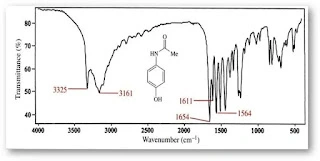
Fourier Transform Infrared (FTIR) Spectroscopy is an analytical technique used to identify and analyze materials by measuring their absorption of infrared light. When IR radiation passes through a sample, its molecules absorb specific frequencies corresponding to their vibrational modes, producing a unique “molecular fingerprint” spectrum. This spectrum enables both qualitative and quantitative analysis of organic, […]
How Should Expired Nitrosamine Impurities And Analytical Waste Be Safely Disposed Of
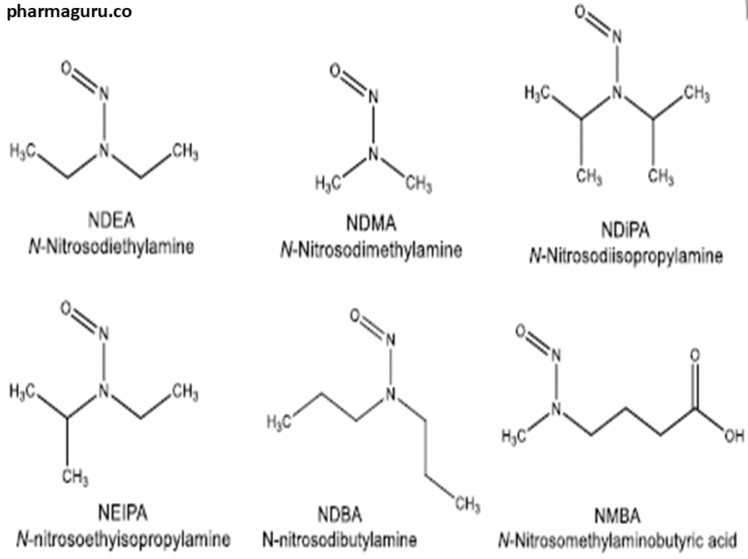
Nitrosamine Impurities and Analytical Waste must be managed in accordance with strict health, safety, and environmental regulations due to their carcinogenic properties. The primary and preferred disposal route is high-temperature hazardous-waste incineration, while chemical degradation approaches may be used only for lab-scale decontamination in authorised facilities. Related: What Is the TTC Concept and How Is It Related […]
Synthetic Vs Natural Drugs: Key Differences With 15+FAQs
Synthetic drugs are artificially created in laboratories, while natural drugs are directly derived from sources like plants, animals, or microorganisms. Semisynthetic drugs begin with natural compounds that are chemically modified. The key differences lie in their origin, chemical structure, consistency, and regulatory control. Synthetic Vs Natural Drugs: FAQs You May Like: Synthetic Vs Natural Drugs: […]
What is Root Cause Analysis (RCA) And How Helpful It In Pharma: Learn With Examples & FAQs

What is Root Cause Analysis (RCA)? Root Cause Analysis (RCA) is a structured, systematic approach used to identify the underlying causes of a problem rather than simply addressing its immediate symptoms. By uncovering the fundamental reasons an issue occurred, RCA enables organisations to implement long-term, effective solutions that prevent recurrence. This methodology is widely applied […]
Drug Discovery Vs Drug Development: Key Differences With 5+FAQs
Drug discovery is the initial phase of identifying potential drug candidates by targeting a specific disease. Drug development is followed by testing the most promising candidates through preclinical and clinical trials to ensure safety, efficacy, and proper dosage before regulatory approval. The entire process is long, costly, and has a high failure rate. Drug Discovery […]