

Analytical vs Semi-Micro vs Micro Balances: Learn the key differences, applications, and how to choose the right high-precision balance for pharmaceutical research and lab work
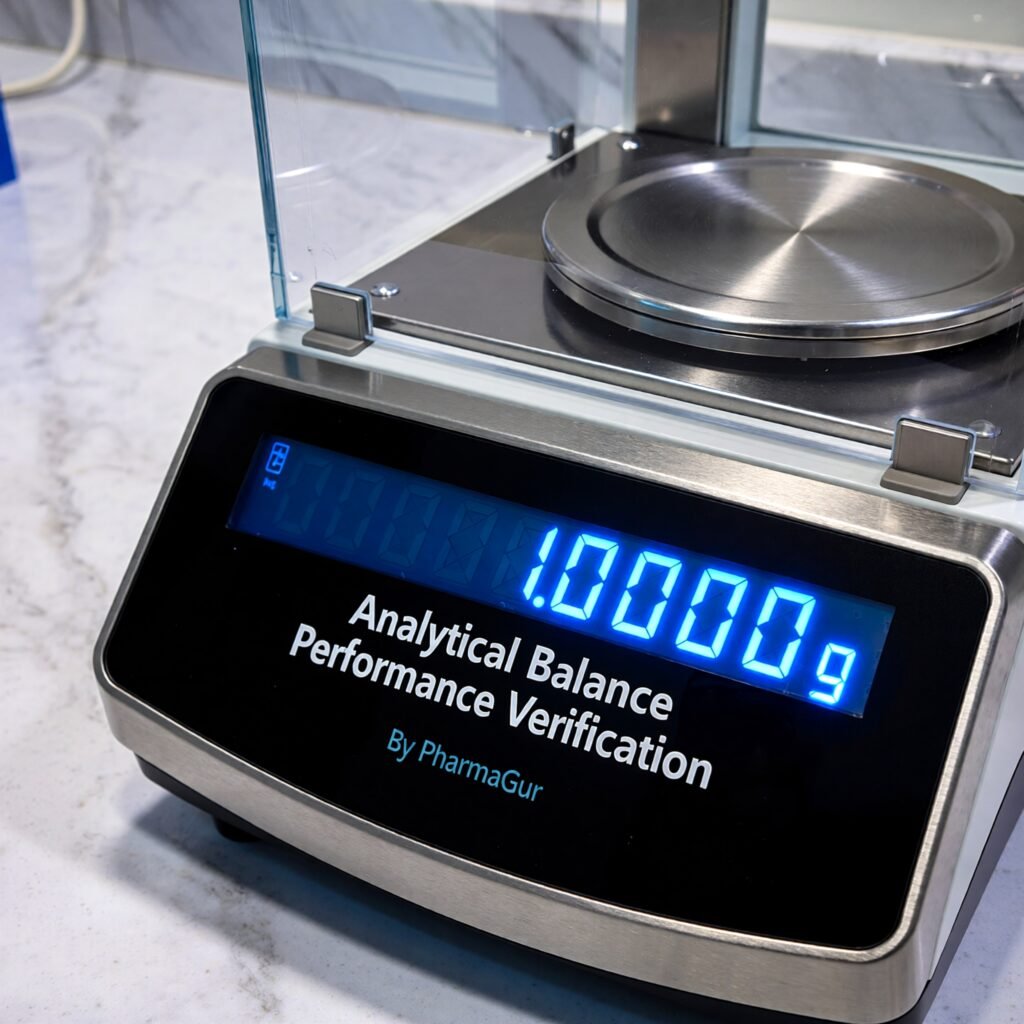
Analytical, semi-micro, and micro balances are high-precision lab instruments used to weigh increasingly smaller samples with maximum accuracy via electromagnetic force compensation. Analytical balances offer 0.1 mg (0.0001 g) readability, while semi-micro (0.01 mg / 0.00001 g) and micro (0.001 mg / 0.000001 g) balances are essential for ultra-precise measurements in pharmaceutical research
| Feature / | Analytical Balance | Semi-Micro Balance | Micro Balance |
|---|---|---|---|
| Readability | 0.1 mg (4 decimal places) | 0.01 mg (5 decimal places) | 0.001 mg (6+ decimal places) |
| Capacity | Generally moderate (100 – 300g) | Small (50 – 220g) | Very low (32 – 52g) |
| Typical Usage | Routine lab work, analytical chemistry, formulation tasks | High-accuracy weighing of small samples, differential weighing, pipette calibration | Weighing ultra-small samples, micro-analytical applications |
| Key Features | Draft shields, internal calibration | Highly sensitive, specialized weighing pans, draft shields for stability | Second inner draft shields, advanced static detection, extreme sensitivity |
| Pharmaceutical Applications | Standard formulation, quality control, routine assays | Precise dosing, micro-sample prep, formulation development | Trace analysis, ultra-low sample weighing, advanced drug research |
Related Resources:
Selecting the right balance depends on your lab’s precision requirements, sample size, application, and budget:
Ultimately, the choice between a microbalance and an analytical balance should align with your lab’s specific needs, ensuring accurate, reliable, and repeatable results every time.
Choosing the right balance—analytical, semi-micro, or micro—depends on your lab’s precision requirements, sample size, application, and budget. Analytical balances are ideal for routine lab work and larger samples, semi-micro balances suit high-accuracy small-sample measurements, and microbalances provide ultra-precise weighing for specialized pharmaceutical research. Selecting the appropriate balance ensures reliable, accurate, and repeatable results in all your experiments.
An analytical balance is a high-precision laboratory instrument used to measure samples with readability typically up to 0.1 mg (0.0001 g), suitable for routine lab work, formulation, and analytical chemistry.
A microbalance is an ultra-precise balance with readability up to 0.001 mg (0.000001 g), used for weighing extremely small samples in pharmaceutical research, nanotechnology, and trace analysis
Semi-micro balance offers intermediate precision with readability around 0.01 mg (0.00001 g) and is used for high-accuracy weighing of small samples, differential weighing, and pipette calibration.
Reference:
Quick Links